
 黑嘴端凤头燕鸥---转台湾野鸟摄影中心的贴子 |

  |

  2003-09-15 20:23
链接:
#1
|
|
 版主  组别: 版主 帖子: 2690 注册: 2003-06-04 编号: 41 |
http://kite.center.kl.edu.tw/vbb/showthrea...&pagenumber=1
是在马祖北竿。。。也不知是什么地方。。。看来闽东是非去不可了。。。 -------------------- CANON 7D+300/F2.8 或 600/F4+2x/1.4X+鸟神保佑!
|
 |
 
|


 2003-09-15 22:31
链接:
#2
|
|
 版主 组别: 版主 帖子: 13982 注册: 2003-05-31 编号: 18 |
谢谢云淡风轻。我的感觉我们都在一个个的项目中成长。
|
|
|
|
|
2003-09-16 03:23
链接:
#3
|
|
 资深会员 组别: 正式会员 帖子: 2962 注册: 2003-05-30 编号: 8 |
来自云淡连接的网站
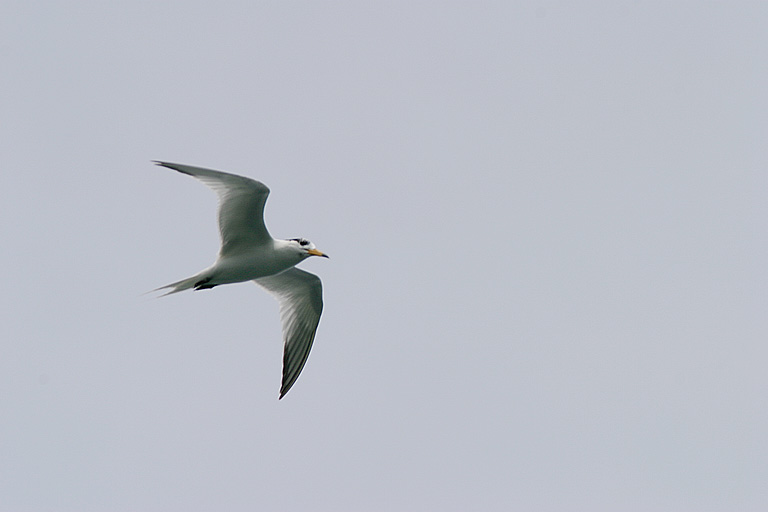
EXIF: 1/750, F9.5, 0/1000EV, ISO100, 420mm, @ 20030720 142648, Canon EOS 10D |
|
|
|
|
2003-09-16 19:19
链接:
#4
|
|
|
版主 组别: 版主 帖子: 2690 注册: 2003-06-04 编号: 41 |
谢谢啊。。。
-------------------- CANON 7D+300/F2.8 或 600/F4+2x/1.4X+鸟神保佑!
|
|
|
|
|
2003-09-17 21:05
链接:
#5
|
|
 绝对好爷们 组别: 版主 帖子: 13499 注册: 2003-06-07 编号: 49 |
阅!
-------------------- 2003年3月开始试用Phoenix 80+奥林巴斯730(云淡的);
2003年11月正式使用Kamakura 80ED+尼康4500; 2004年6月正式使用Swarovski STS 80 HD+尼康4500,退出Kamakura; 2005年5月开始使用Canon 20D +400 f5.6及Swarovski STS 80 HD+尼康4500组合; 2008年4月开始使用Canon 40D退出20D,5月使用400 f4代替400 f5.6,退出Swarovski 4500; 军备竞赛持续进行,始终没有终点! |
|
|
|


|
2003-09-17 22:55
链接:
#6
|
|
|
版主 组别: 版主 帖子: 13982 注册: 2003-05-31 编号: 18 |
今天看到晚报头版报道,我们确实任重而道远
|
|
|
|
|
2003-09-18 01:43
链接:
#7
|
|
 中级会员 组别: 信天翁军团 帖子: 562 注册: 2003-06-01 编号: 20 |
商报头版也在激励着我们前进。
-------------------- 加勒比海激情荡漾的天空——
|
|
|
|
|
2003-09-18 03:52
链接:
#8
|
|
 资深会员 组别: 正式会员 帖子: 818 注册: 2003-05-30 编号: 7 |
转贴:厦门观鸟会受托调查“神话中的鸟”
(2003-09-17 13:11:00) 国际最权威鸟类协会在我国首次投入基金 本报讯 前日,厦门观鸟会接到通知:英国皇家鸟类保护协会(RSPB)将提供小额基金支持,用以调查福建沿海世界濒危鸟种——黑嘴端凤头燕鸥。这是国际最权威鸟类协会第一次在我国授予基金。 厦门观鸟会是国内惟一正式的民间观鸟组织,而英国皇家鸟类保护协会是欧洲最大的自然保护组织,是国际鸟盟中的老大哥,它授予的基金专项用于调查濒危鸟类。它资助厦门观鸟会,表明中国民间鸟类爱好者、鸟类保护组织开始受到国际资助,也意味着厦门观鸟会在鸟类保护与交流上打开了走向世界的一扇门。 这个基金是在中科院动物研究所研究员、著名鸟类学家何芬奇先生的帮助和支持下获得的。何芬奇先生是《中国野外鸟类手册》的作者之一,这本书被观鸟入门者奉为“圣经”。 何先生与国际鸟类学家有广泛联系,今年他从德国一个朋友处获悉,英国皇家鸟类保护协会的这个基金,将在亚非一带支持濒危鸟种的调查。他分析,国内只有白鹤与黑嘴端凤头燕鸥两种可能获得此项基金。 黑嘴端凤头燕鸥主要分布于我国东部至菲律宾的沿海,鸟类专家称它为“神话中的鸟”。近年,在台湾海峡的马祖列岛曾发现小群黑嘴端凤头燕鸥,并记录了繁殖地、巢及雏鸟。调查黑嘴端凤头燕鸥,厦门观鸟会占尽了天时、地利。 何先生对厦门观鸟会去年在洞庭湖观鸟大赛的出色表现极为欣赏,于是从联系到提请申请报告书一整套程序步步帮助。据悉,该基金限额1000美元,专款专用,将全部用于黑嘴端凤头燕鸥的调查所需。 (江航东 蓝天艺 厦门晚报) |
|
|
|
|
2003-09-18 06:38
链接:
#9
|
|
|
资深会员 组别: 正式会员 帖子: 2962 注册: 2003-05-30 编号: 8 |
为什么叫神话中的鸟,哦?
|
|
|
|
|
2003-09-19 05:25
链接:
#10
|
|
|
版主 组别: 版主 帖子: 3731 注册: 2003-06-03 编号: 31 |
神话中的鸟”飞入厦门观鸟族视野
(2003-09-17 13:36:06) 一度被认为已灭绝,目前全球不超过百只 本报讯 前日,厦门观鸟会接到通知:英国皇家鸟类保护协会(RSPB)将提供小额基金支持,用以调查福建沿海世界濒危鸟种——黑嘴端凤头燕鸥。这是国际最权威鸟类协会第一次在我国授予基金,用于调查濒危鸟类。厦门观鸟会准备分三个阶段开展这项调查工作: 一是从现在开始到明年3月,先对照地图资料,确定岛屿较多的地区作为重点调查地区;然后走访重点调查地区的沿海渔村及林业管理部门,了解附近岛屿的鸟类活动和繁殖情况;最后将收集到的信息汇总,确定需要调查的岛屿和海域。 二是明年四五月间,采用租船的方式出海调查。 三是计划在明年六七月份,将调查结果形成正式的报告。 本次调查虽然是针对黑嘴端凤头燕鸥,但由于我国东部沿海海洋性鸟类的调查目前一直是个空白,所以厦门观鸟会将顺带调查所有鸟类资源,形成福建沿海鸟类资源的初步资料。 图为近期台湾自然摄影中心网站的“草蜢仔”(网名)在马祖拍到的黑嘴端凤头燕鸥。 资料: 黑嘴端凤头燕鸥 黑嘴端凤头燕鸥目前全球数量不超过100只,于1863年由Schlegel在中国首次发现。命名为Chinese Crested Tern,多年来仅有屈指可数的观察或记录,在1937年即被全球生态界列为已绝种动物。 黑嘴端凤头燕鸥特征为头上一叶乌黑的冠羽,是全世界40多种鸥科鸟类中,数量最稀少的一种,在世界鸟类红皮书中名列“濒危灭绝”等级,大多数人都认为这种鸟已经在地球消失绝迹了。 黑嘴端凤头燕鸥的纪录资料不多,在《世界鸟类手册》中,被列为“严重的濒危灭绝危险”,从未被发现过繁殖行为,鸟类专家称它为“神话中的鸟”。 2000年时,台湾著名的生态摄影家梁皆得,在马祖燕鸥保护区拍摄燕鸥的生态纪录片,意外发现有4对黑嘴端凤头燕鸥竟出现在画面中,此事在国际鸟学界引起热烈回响与讨论,成为当年国际生态界最热烈的话题。台湾的观鸟活动开展得较早,层次也较深,此次厦门观鸟会开展这项调查,将有可能两岸鸟学界形成互补互动与交流。 (江航东 蓝天艺 厦门晚报) -------------------- 观鸟就是观环境 看鸟也是看自己
tel :8804110 13328763110(电脑开机不上网才打得通) mail:lan8804110#163.com QQ:342883679 |
|
|
|
|
2003-09-19 06:32
链接:
#11
|
|
 版主 组别: 版主 帖子: 8911 注册: 2003-05-31 编号: 12 |
高举生态大旗,脚踏实地前进。
-------------------- 手持AK,深入丛林。乘风破浪,一如既往!......
Che! --- http://photo.qianlong.com/4505/2003-5-29/182@870066.htm |
|
|
|
|
2003-09-19 06:59
链接:
#12
|
|
|
版主 组别: 版主 帖子: 789 注册: 2003-06-04 编号: 38 |
支持!
-------------------- |
|
|
|
|
2003-09-20 20:27
链接:
#13
|
|
|
版主 组别: 版主 帖子: 813 注册: 2003-06-08 编号: 50 |
马到成功!
|
|
|
|
|
2003-09-29 23:05
链接:
#14
|
|
|
新手上路 组别: 注册会员 帖子: 17 注册: 2003-09-29 编号: 183 |
恭喜恭喜,送上参考文献一篇
Little known Oriental bird: Discovery of a breeding colony of Chinese Crested Tern by Chieh-Teh Liang, Shou-Hua Chang, and Woei-horng Fang, from OBC Bulletin 32, December 2000. Prior to the recent observations detailed below, the Chinese Crested Tern was only known from a few old specimens and sight records. There are a few historical records from China including 21 collected off Shandong in 1937. More recent records from China are of three birds observed on sand flats at Beidaihe on 10 June 1978 and a further three, probably of this species were observed at the mouth of the Yellow River in Sept 1991. Outside of the breeding season there are three specimen records from Fujian dating from 1913 and 1916 and two probable observations from Guangdong, one of which was after a typhoon. Away from China there are specimen records as follows: two from the Philippines (1905 and undated), one from Halmahera, Indonesia (1861) and three each from Malaysia (Sarawak 1890, prior to 1891 and 1913) and Thailand (three winter-plumage males collected in 1923). The only recent sight record concerned 10-20 reported from Ko Libong Wildlife Sanctuary in Thailand in July 1980. In June 2000 Liang Chieh-teh was fortunate to discover a Chinese Crested Tern Sterna bernsteini colony in the Matzu Archipelago. Here the authors give some background to this exciting discovery. The Chinese Crested Tern is a critically endangered species. It was first described in 1863 and since its discovery only five group of birds have been recorded. The two most recent records concerned ten in Thailand in July 1980 and three in northern China in September 1991. Several authors consider this bird may already be extinct (1,2). The Matzu Archipelago (25°56'-26°18'N, 119°51'-120°01'E) is a short distance east of the Fukien province of mainland China and due to its strategic importance was under military regulation and very difficult to visit for the general public. The fauna and flora of the area were largely unknown. In recent years the central government of China eased the military regulation of the area and more birdwatchers and naturalists began to visit the area. -------------------------------------------------------------------------------- Chinese Crested Tern (Chang Shou-hua) -------------------------------------------------------------------------------- A three year project to study bird ecology in the area, coordinated by Wild Bird Federation of Taiwan (formerly Chinese Wild Bird Federation) and financed by Agriculture Improvement Bureau of Lienchiang County began in April 1996 and improved our understanding of the bird fauna. The survey found that several uninhabited islets are very important breeding sites for terns with large colonies of Greater Crested Tern Sterna bergii, Bridled Tern, S. anaethetus and Roseate Tern S. dougallii. The results of the survey prompted the Lienchiang County Government to define the islets as a nature reserve and in January 2000, eight islets used by breeding terns were officially designated as 'National Matzu Nature Reserve for Terns' by Central Government Council of Agriculture. In order to increase public awareness of conservation in the reserve, Lienchiang County Government supported a project of Wild Bird Federation of Taiwan to film the breeding terns. The project started in June 1999 and was carried out by Liang Chieh-teh. In mid-June 2000 while editing the film of a Greater Crested Tern colony videoed on 1 June, several pairs of strange terns were noted. After checking a reference book 3 these birds were identified as Chinese Crested Tern based on their smaller size and paler upperparts than Greater Crested Tern and black tips to their bills. The film was sent to Dr. Lucia Liu Severinghaus who helped to confirm the identification. On 29 June Liang and Mr. Chang Shou-Hua, the Secretary General of Wild Bird Society of Matzu visited the colony for more fieldwork. They surveyed the area and found four breeding pairs of Chinese Crested Tern, with eight adults and four chicks. This is the highest count of the species ever. In late July Liang took Dr. Severinghaus to the Terns' colony to confirm the identification in the field and a press conference was later held to announce the important find. On 26th August the authors again visited the terns' colony but only one Chinese Crested Tern in non-breeding plumage remained at the site along with 40+ Greater Crested Tern. This was the last sighting of this bird this year. Currently the breeding site is in a National Nature Reserve under the protection of law and the Magistrate Liu of Liengchiang County Government is very supportive of the conservation of the site. The major threat now is fisherman from mainland China invading these islets to collect seashells or bird eggs. After disturbance by fisherman in 1999 a previous Bridled Tern breeding site had no birds in the following breeding season. Since the colony is very sensitive to disturbance, control of visiting tourists will also be a problem during next breeding season. After the announcement of the rediscovery we received reports of two earlier sightings. One was from Chang Shou-Hua who took many photographs of the Matzu tern colony in previous years. Using a magnifying glass to examine early photographs he found some Chinese Crested Terns in a Greater Crested Tern colony. This finding suggests the Chinese Crested Tern may have been breeding at this site for some time. The other report was from Weng Jung-Hsiun, who took a picture of a single Chinese Crested Tern in a flock of Caspian Terns S.caspia at Putai, Chiayi County (23€21'N, 120€10'E) on 17 April 1998. Initially, this bird was thought to be an immature Greater Crested Tern but was later reidentified as the first and the only Chinese Crested Tern record from Taiwan. We consulted several handbooks and fieldguides about this bird. According to our observations, the plates of this bird are not entirely accurate (1-7); there is a white point to the black tip of the bill. Only two books demonstrated this feature (1,4). The bill colour is more orange than Greater Crested Tern but all the plates illustrated it as yellow (as in Greater Crested Tern) except duPont (5). Note: Under a different spelling system, Matzu may be spelled as Matsu and Liangchiang as Lian-jiang. References Robson, C. (2000) A field guide to the birds of south-east Asia. New Holland: UK. Viney, C, Phillipps, K., and Lam, C.Y. (1996) Birds of Hong Kong and South China. Hong Kong. del Hoyo, J., Elliot, A., and Sargata, J. eds (1996) Handbook of the Birds of the World, Vol 3, Hoatzin to Auks. Lynx Edicions, Barcelona: Spain. Harrison, P. (1983) Seabirds, an identification guide. Houghton Mifflin, Boston, USA. duPont, J.E. (1971) Philippine Birds. Delaware Museum of Natural History, Greenville: USA. Lekagul, B., and Round, P.D. (1991) A Guide to the Birds of Thailand. Bangkok: Thailand. Sonobe, K. and Usui S. eds (1993) A field guide to the water birds of Asia. Wild Bird Society of Japan. Tokyo: Japan |
|
|
|
|
2003-09-30 00:42
链接:
#15
|
|
|
版主 组别: 版主 帖子: 13982 注册: 2003-05-31 编号: 18 |
谢谢来自北京的panda支持!欢迎到厦门来观鸟!
|
|
|
|
|
2003-09-30 04:10
链接:
#16
|
|
 资深会员 组别: 正式会员 帖子: 5686 注册: 2003-05-30 编号: 5 |
谢谢panda!出海观鸟不比陆上,有许多准备工作要做,需要大家的同心协力。
-------------------- 电话:13600926150
|
|
|
|
|
2003-09-30 16:36
链接:
#17
|
|
|
版主 组别: 版主 帖子: 13982 注册: 2003-05-31 编号: 18 |
国庆过后该开个会大家讨论讨论。
|
|
|
|
|
2003-10-01 05:35
链接:
#18
|
|
|
版主 组别: 版主 帖子: 3731 注册: 2003-06-03 编号: 31 |
引用 以下是引用岩鹭在2003-9-30 8:36:53的发言:
国庆过后该开个会大家讨论讨论。 坚决响应! 谢谢panda! -------------------- 观鸟就是观环境 看鸟也是看自己
tel :8804110 13328763110(电脑开机不上网才打得通) mail:lan8804110#163.com QQ:342883679 |
|
|
|
|
2003-10-02 07:53
链接:
#19
|
|
|
版主 组别: 版主 帖子: 8911 注册: 2003-05-31 编号: 12 |
引用 以下是引用蓝色在2003-9-30 21:35:33的发言:
引用 以下是引用岩鹭在2003-9-30 8:36:53的发言:
国庆过后该开个会大家讨论讨论。 坚决响应! 谢谢panda! -------------------- 手持AK,深入丛林。乘风破浪,一如既往!......
Che! --- http://photo.qianlong.com/4505/2003-5-29/182@870066.htm |
|
|
|
|
2003-10-15 04:21
链接:
#20
|
|
|
新手上路 组别: 注册会员 帖子: 7 注册: 2003-09-08 编号: 163 |
好
|
|
|
|
|
1 位会员正在阅读此主题 (1 位游客和 0 位隐身会员)
0 位会员:

| 简化版本 | 当前时间: 2026-11-15 16:01 |
Powered By IP.Board
© 2026 IPS, Inc.
Licensed to: ©2006-2007 厦门观鸟会, 中国.